Community

Surplus Program Flips Extra Equipment and Materials, Saving Labs Money

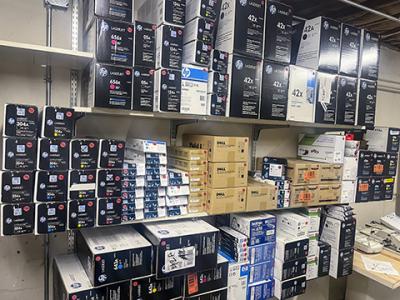
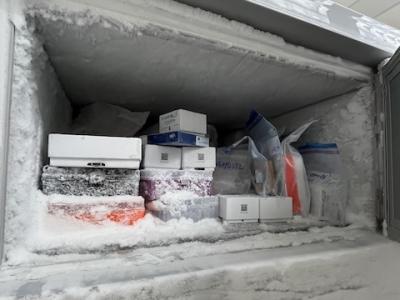
On a shelf or in a storage room at NCI Frederick and Frederick National Laboratory for Cancer Research, there’s an as-yet unused container of reagents or box of supplies that might be useful for a new study. Under the EHS Waste Management Surplus Program, they can be redeployed for such a purpose, given a scientific second life.

Leading by Example: Two Researchers Encourage Green Laboratory Practices

Two scientists at different stages of their careers are driving environmentally friendly changes in their labs and inspiring others to make changes toward sustainability. For both Ru-ching Hsia, Ph.D., principal scientist in the Electron Microscopy Core (EMC), and Thomas Abney-Lidahl, postbaccalaureate fellow in the HIV Dynamics and Replication Program, “green” practices are a top priority and personal mission guided by their experience and witnessing the benefits at other institutions.

Only Two Weeks Remain to Nominate a Colleague: Here’s How and Why

Nominations for the Achievement Awards, the annual recognition of outstanding Frederick National Laboratory for Cancer Research staff, close on Wednesday, March 4. There are just two weeks left! Although only FNLCR staff are eligible for the awards, both FNLCR and NCI staff can nominate their FNLCR colleagues.

Art and Science Collided in Frederick’s Latest Art Display

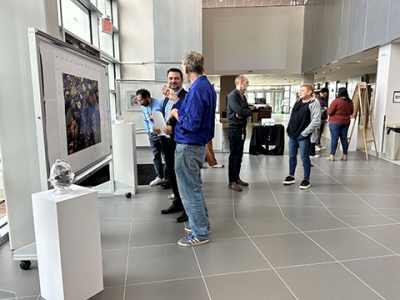
A new collaboration between the Frederick National Laboratory for Cancer Research (FNLCR) and the Frederick Arts Council recently showcased the intersection between science and art. The Frederick Arts Council’s latest art exhibit, “Where Energy Meets Matter: Exploring the Frontiers of Science,” invited artists to explore the dynamic interplay of art and science and celebrate the cutting-edge research and innovation happening at FNLCR and throughout Frederick.

Biotech Connector Reimagines the Future of Gene and Cell Therapies

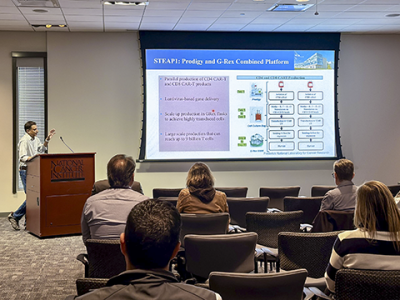
The recent Biotech Connector showcased exciting advancements in gene and cell therapies in the Frederick area. More than 80 attendees gathered in-person and online to hear experts in the field discuss their work manufacturing difficult therapies for clinical trials, reimagining the supply chain to reduce development timelines, and leveraging automation to reduce risk and save money. By capturing these advances, the Biotech Connector aims to serve as a forum that inspires partnerships and the sharing of ideas.