Health & Safety

Parenting Outside the Box, Part Three: The New “Normal”

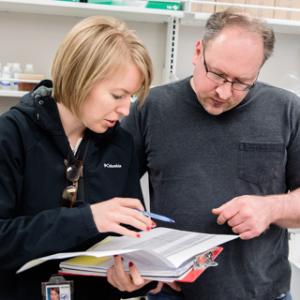
Parents of special-needs children do their best to help their kids thrive in typical society, but at times this can be challenging. For instance, I want my son, Harrison, to be able to participate in as many activities as he would like—but this can involve more than just signing him up and paying the registration fee. Fortunately, with a flexible approach and some simple tools, we have found that Harrison can still enjoy “normal” activities. Sometimes, all it takes is an honest conversation.

New Automated System Available for Reporting Safety Concerns

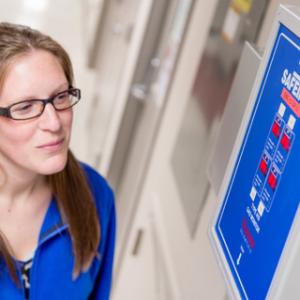
A new system has been developed for reporting safety issues in the workplace. The Environment, Health, and Safety’s (EHS’) Safety Inspection and Issue Management System (SIIMS) is an online resource where any employee can report a problem or issue, said Siobhan Tierney, program manager at EHS.

Research Donor Program Needs Your Help to Advance Cancer and AIDS Research

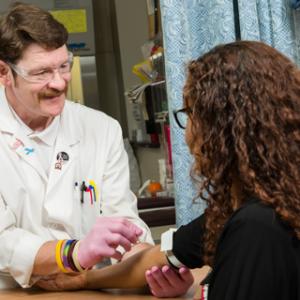
NCI at Frederick employees have a unique opportunity to contribute directly to cancer and AIDS research by donating blood, saliva, and other samples through the Research Donor Program (RDP). Donors are compensated for their time, which is typically between 10 and 30 minutes. The RDP, which is administered by Occupational Health Services (OHS), Leidos Biomedical Research, provides samples from healthy donors for use in in vitro research conducted at NCI at Frederick and Fort Detrick. Samples are provided anonymously to researchers.

New Standards for Diagnosing Hypertension Are Met with Skepticism

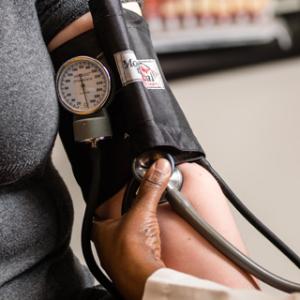
Members of the Eighth Joint National Committee recently released new standards for treating hypertension, also referred to as high blood pressure (BP). The new standards do not recommend treatment changes for individuals under 60 years of age. However, treatment changes were recommended for people over the age of 60 who do not have conditions such as diabetes or chronic kidney disease (CKD), but whose BP numbers are 150/90 or higher. This BP threshold is up from the previously recommended threshold of 140/90.

Avoid Workplace Injury through Ergonomics

Ergonomics is “the scientific study of people at work,” with the goal of reducing stress and eliminating injuries associated with overused muscles, bad posture, and repeated tasks, according to the Centers for Disease Control and Prevention (CDC). The Occupational Safety and Health Administration (OSHA) states that working ergonomically reduces muscle fatigue, increases productivity, and decreases the number and severity of work-related musculoskeletal disorders (MSDs). MSDs affect the muscles, nerves, and tendons, and are a leading cause of lost workdays due to injury or illness.