People

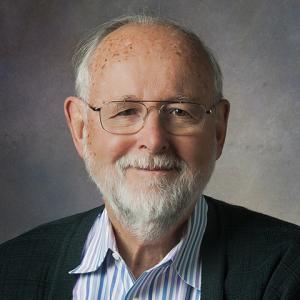
‘A Remarkable Life’: In Memory of Joost Oppenheim

Joost “Joe” Oppenheim, M.D., senior investigator and head of the Cellular Immunology Section in the Cancer Innovation Laboratory, passed away in May. He was one of the longest-tenured scientists at NCI at Frederick. Among his many accomplishments, he has been called “the Father of Cytokines” for his pioneering role in establishing the field of cytokine research in immunology.

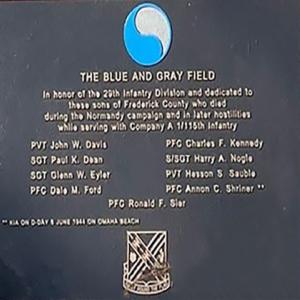
Honoring Those Who Never Returned

With Memorial Day and the 78th anniversary of D-Day on the horizon, please take a moment to locate the small memorial dedicated to nine local individuals who gave the ultimate sacrifice as part of the Allied invasion of Normandy in June 1944.

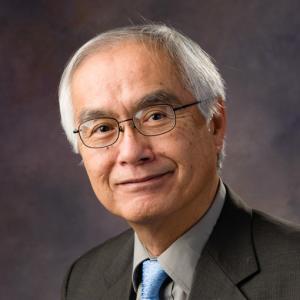
Kunio Nagashima Retires: 47 Years of Electron Microscopy Excellence

In 1972, soon after then-President Richard Nixon’s newly established Frederick Cancer Research Center (FCRC) hired its first employees, 24-year-old Kunio Nagashima put on a suit and tie and boarded a Boeing 747 at Tokyo’s Haneda International Airport. An electron microscopist from Kyoto University, Nagashima had a one-way ticket in his hand, bound for the United States and ready to take a new job—sight unseen.

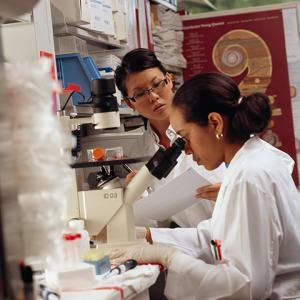
Women Scientists Advisors: Advice, resources and encouragement for the next generation of women scientists

Women Scientists Advisors (WSA) was established in 1993 and comprises elected representatives from each NIH Institute or Center who volunteer their time to support other female scientists on issues ranging from pay equity to work/family balance and leadership opportunities.

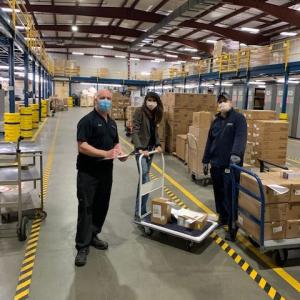
Ensuring the Science Never Stops: Purchasing, Logistics and EHS team up during the pandemic to provide critical supplies to FNL

When the pandemic shutdown began in March 2020, offices across NCI at Frederick and the Frederick National Laboratory quickly became ghost towns, as employees packed up and decamped to their newly set-up home offices. But for those engaged in scientific research—including efforts to combat COVID-19 itself—the need to safely work on-site became more critical than ever.