Science & Technology

Top Tips, Resources, and Services from the Scientific Library

The Scientific Library at NCI at Frederick provides resources and services to support cutting-edge cancer, AIDS, and infectious disease research, and the librarians and informationists are ready to guide researchers to any information they need. Within the past year, two new staff members began working at the Scientific Library: Biosciences Informationist Matt Stirling and Public Services Librarian Joelle Mornini. Librarian Tracie Frederick, who has been with the Scientific Library for 12 years, also stepped into the role of Library Director in 2018.

U.S.–Chinese Research Team Explains the Link Between Diabetes and Severe Brain Cancer

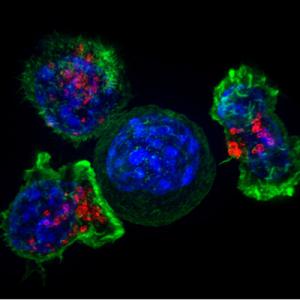
Scientists at NCI at Frederick, the Frederick National Laboratory for Cancer Research, and four Chinese institutions have uncovered why glioblastoma, the deadliest form of brain cancer, is more aggressive in diabetic patients than nondiabetic patients. The team’s paper asserts that high amounts of a sugar called glucose trigger multiple biological processes that snowball to increase glioblastoma’s aggressiveness.

At Student Poster Days, Interns Seek to Improve Scientific Communication

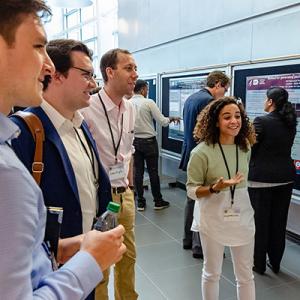
Each summer, dozens of students from the Werner H. Kirsten and Summer Internship Programs who have been hard at work under the supervision of seasoned scientists and mentors gather to share their research with the NCI at Frederick and Frederick National Laboratory community. Over two days in late July, 46 students ranging from high school to graduate school presented their findings to mentors, scientists, and their fellow interns at the NCI at Frederick campus and the Advanced Technology Research Facility.

WHK Is Better Than an A

Here I was, an 18-year-old student intern with a chance to interview a prominent research scientist and suddenly, face-to-face with her, I ran out of questions. Silence filled the room. Now what? My Urbana High School classes had not prepared me to answer that question. Well, they had not prepared me to interview a scientist, either.

Inside the Scientific Arsenal: Three Devices to Explore the Unknown

“Here are lions.” This fanciful phrase for the unknown embellishes the blank areas of antiquated maps. Sometimes cartographers used the phrase “Terra Incognita” (“unknown land”) instead. Either way, the message was clear: we don’t know what’s beyond this point. The modern study of genetics is similar.