Science & Technology

‘Algae’ Allies: Protein from Cyanobacteria Blocks SARS-CoV-2 Infection in Lab Studies

Early in the COVID-19 pandemic, before vaccines were available and while SARS-CoV-2 was wreaking havoc worldwide, Barry O’Keefe, Ph.D., and longtime collaborators in Brazil and Spain pooled their knowledge and resources to study cyanovirin-N (CV-N), a protein from cyanobacteria, photosynthetic bacteria commonly known as blue-green algae. O’Keefe had a hunch it could be developed to fight the spread of SARS-CoV-2.

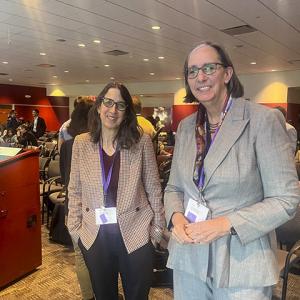
WHK Student Interns Reflect on Key Takeaways of Their Internships

The Werner H. Kirsten (WHK) program, a long-standing institution in Frederick, recently graduated its 32nd class. This unique internship opportunity continues to catapult many high school seniors on the path to STEM careers. Before the 2023 WHK student interns concluded their internships, WHK Program Manager Carrie Wagerman wanted to ensure they were recognized for their achievement in completing the rigorous program.

When Tech Isn’t Available, This Group Makes It

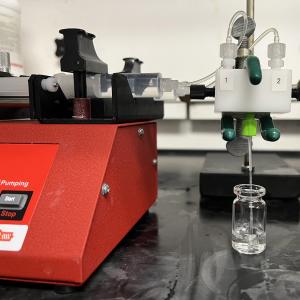
In the Natural Products Branch, projects demand a level of precision that makes Cinderella’s slipper look like child’s play. However, lab equipment isn’t always tailor-made for such uniqueness, sometimes requiring a little modification with special parts to get the job done. Sometimes those parts aren’t available. It rightly sounds like a headache, but Jason Evans and Matthew Harris say the group regularly pulls it off—at times, even in as little as a day.

Opportunity Knocks: Scenes from the 26th Spring Research Festival

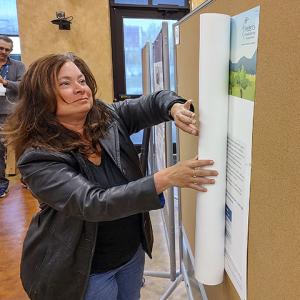
The curtain has officially dropped on the Spring Research Festival for another year. With its signature vendor show, poster display, and bevy of lectures, the hybrid event looked much as it did in pre-pandemic times. Yet among the participants, there was an unmistakable impression of eagerness, a recognition of opportunity.

Canine Data Commons Lets Dogs with Cancer Help Humans

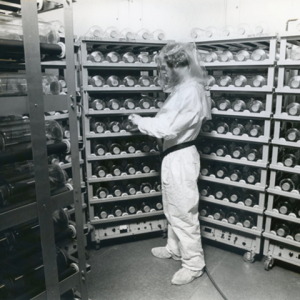
Dogs and humans have been companions throughout recorded history. Our four-legged friends appear in early written tales and are mentioned by name in ancient Egyptian inscriptions. They’ve been with us through thick and thin, and we have truly benefited from this. Recently, that companionship entered a new arena, with dogs becoming humans’ partners in cancer research—and at Frederick National Laboratory for Cancer Research, scientists and engineers have built and deployed a tool to help the medical community maximize canines’ contributions to oncology.