Community

Looking Back on Nancy Martin’s Service at the Media Laboratory

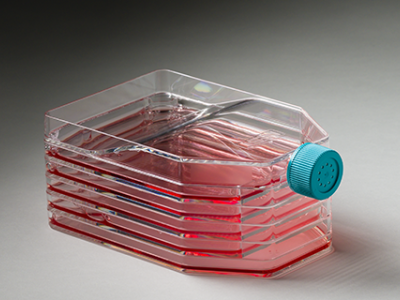
After a productive year in business, the NCI Frederick Media Laboratory is closing again. The service, with its longtime goal of sustainability, was in the hands of Nancy Martin and Dan McVicar, Ph.D. The move comes on the heels of Martin’s retirement from NCI. In light of the change, Poster recognizes her steadfast dedication for the past year.

OHS Marks Heart Month with Lunch-Hour Cook-off and Health Webinar

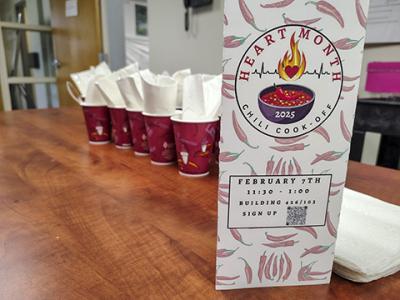
This February saw Occupational Health Services host two lunch-hour activities to encourage employees to invest in cardiovascular health and healthy living. The 18th Chili Cook-off occurred on February 7, and a Heart Health Webinar occurred on February 12. Both coincided with American Heart Month.

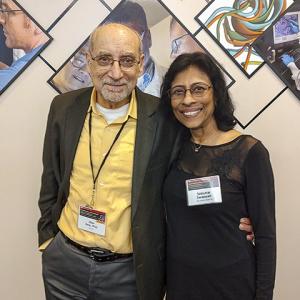
A Paradox and Alan Rein: Distinguished Retrovirologist Retires from the HIV DRP

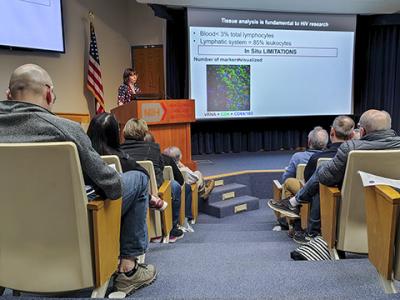
In 1953, a teenaged Alan Rein read about what James Watson and Francis Crick famously called “the secret of life”—the double-helix structure of DNA, which had just been published in Nature. Captivated, Rein decided at that moment that he wanted to be a biochemist. Rein’s biochemistry aspirations shifted to virology during college, leading him to a 60-year career in the field, the last 45 years of which were spent at NCI Frederick, studying how retroviruses like murine leukemia virus and HIV assemble themselves and infect host cells while somehow evading the immune response.

It Came (Back) from Outer Space: The Unusual Journey of NCI Frederick’s New Sweetgum Sapling

There’s a small, fenced enclosure a stone’s throw from NCI Frederick’s pavilion, just across the street from Building 538. Drawing near to it, you’d see two layers of fence encircling a sapling. If you’re botanically inclined, you might recognize the sharp, five-lobed leaves marking the tree as a Liquidambar styraciflua, a sweetgum—a common species in Maryland. You could be forgiven, then, if you’d think the fences are overkill. Yet this sweetgum is particularly worth protecting.

Progress against RAS-driven cancers lauded at RAS Symposium, with more candidate treatments on the horizon

Researchers from around the world met in October to mark progress their field has made in developing drugs to treat cancers driven by the RAS oncogene, and to map out even more ways they can help cancer patients. “This is a great story about tackling an intractable disease that was said to be an impossible task,” said National Cancer Institute Director W. Kimryn Rathmell, M.D.